Lhotse Expedition – the World’s Fourth-Highest Mountain
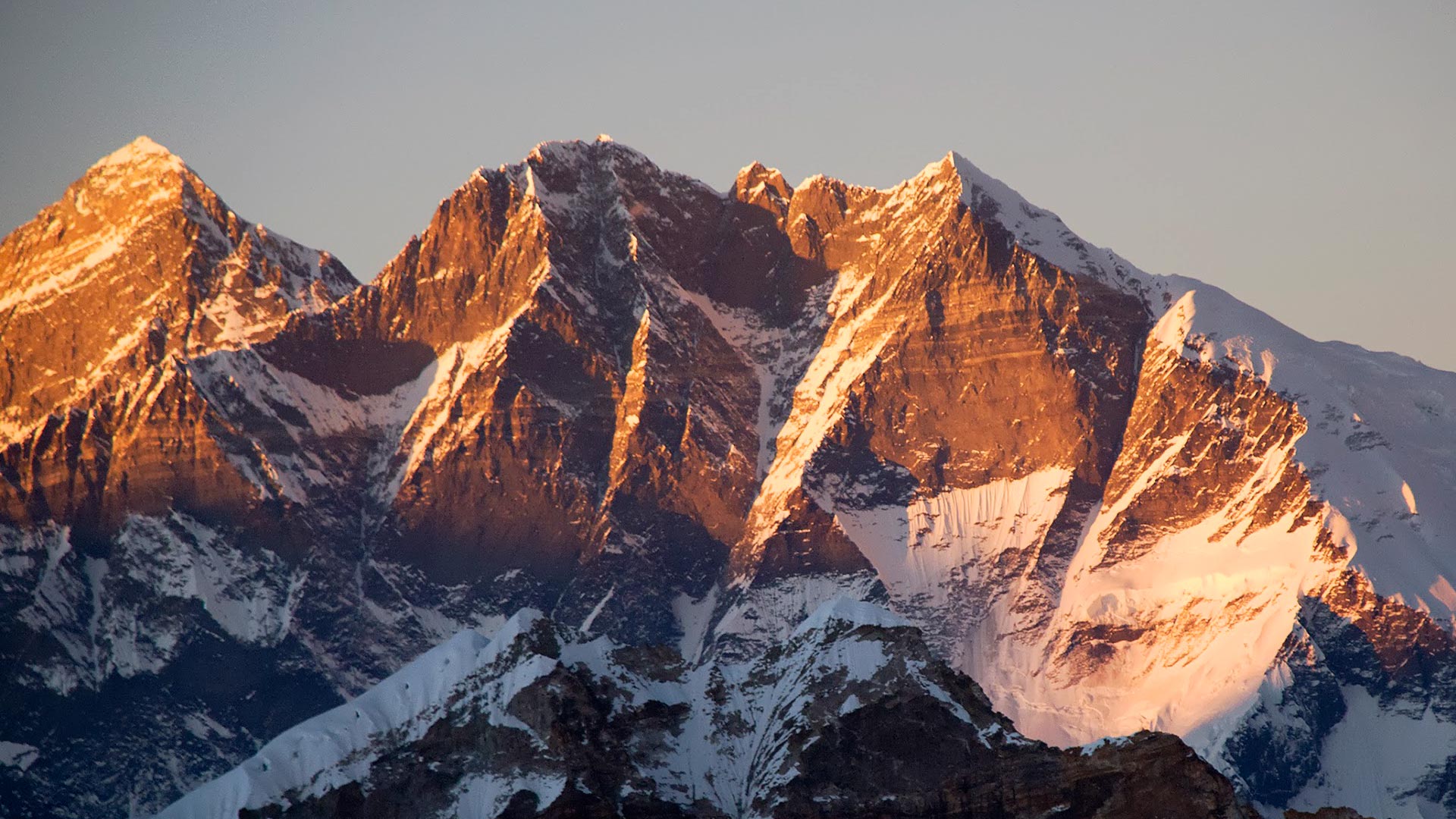
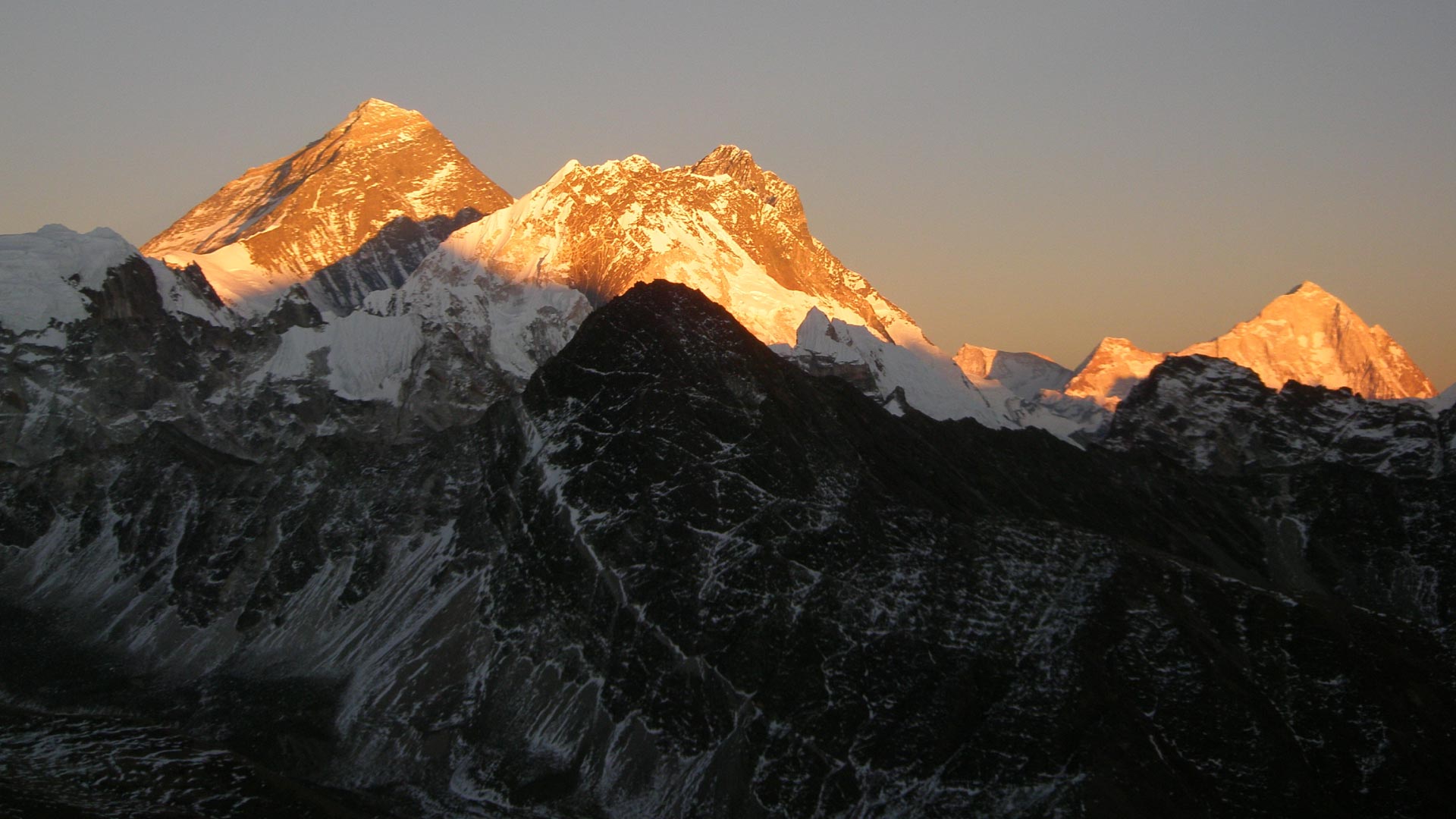
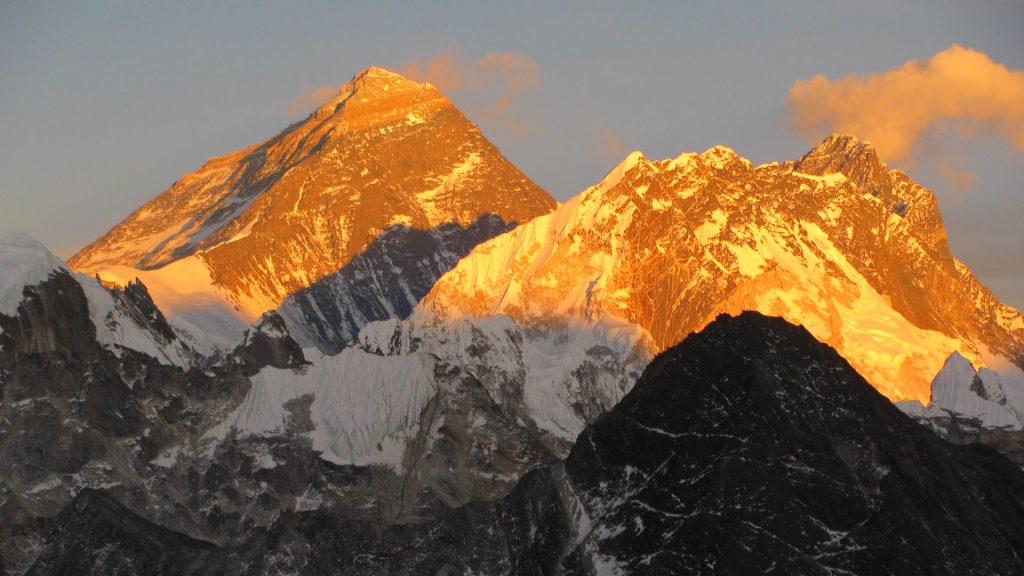
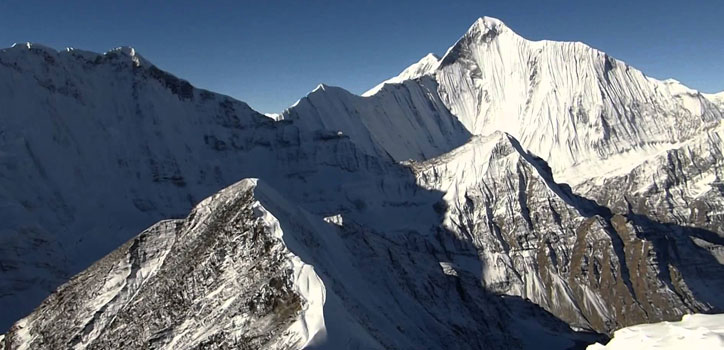
Mount Lhotse (8,516m) is the fourth-highest mountain in the world, located in Nepal’s Mahalangur Himal range, close to Mount Everest. Connected to Everest by the South Col, Lhotse forms part of the spectacular Everest massif and is one of the most prominent mountains in the Khumbu region.
First successfully summited on 18 May 1956 by Swiss climbers Ernst Reiss and Fritz Luchsinger, Lhotse has an important place in Himalayan mountaineering history. Its dramatic mountain faces, high-altitude environment, and close geographical relationship with Everest make it a significant subject of international mountaineering interest.
The Lhotse massif includes three principal summits: Lhotse Main (8,516m), Lhotse Middle, and Lhotse Shar. The mountain is known for its demanding high-altitude environment and the considerable experience required for serious mountaineering objectives at this elevation.
Mountain Highlights
- Explore the geography and history of the world’s fourth-highest mountain.
- Discover the spectacular Mahalangur Himal range.
- Learn about the close geographical connection between Lhotse and Mount Everest.
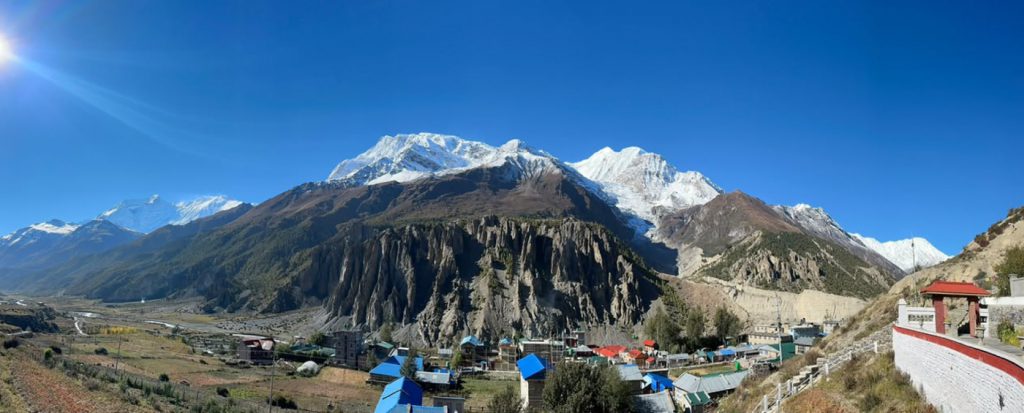
- Experience the cultural and natural landscapes of the Khumbu region.
- Discover the historic achievements of early Himalayan mountaineering expeditions.
- Observe the remarkable Lhotse massif and its surrounding Himalayan peaks.
- Learn about the importance of responsible expedition management in Nepal.