Skip to content
Sherpa Climbing Treks and Expedition Book a trip
Expedition

Lhotse Expedition – the World’s Fourth-Highest Mountain

  • Duration: 46 Days
  • Max altitude: 8,516 m / 27,940 ft
  • Group size: 2+
  • Grade: Hard
  • Best season: April–May

Accommodation: Trekking & Climbing

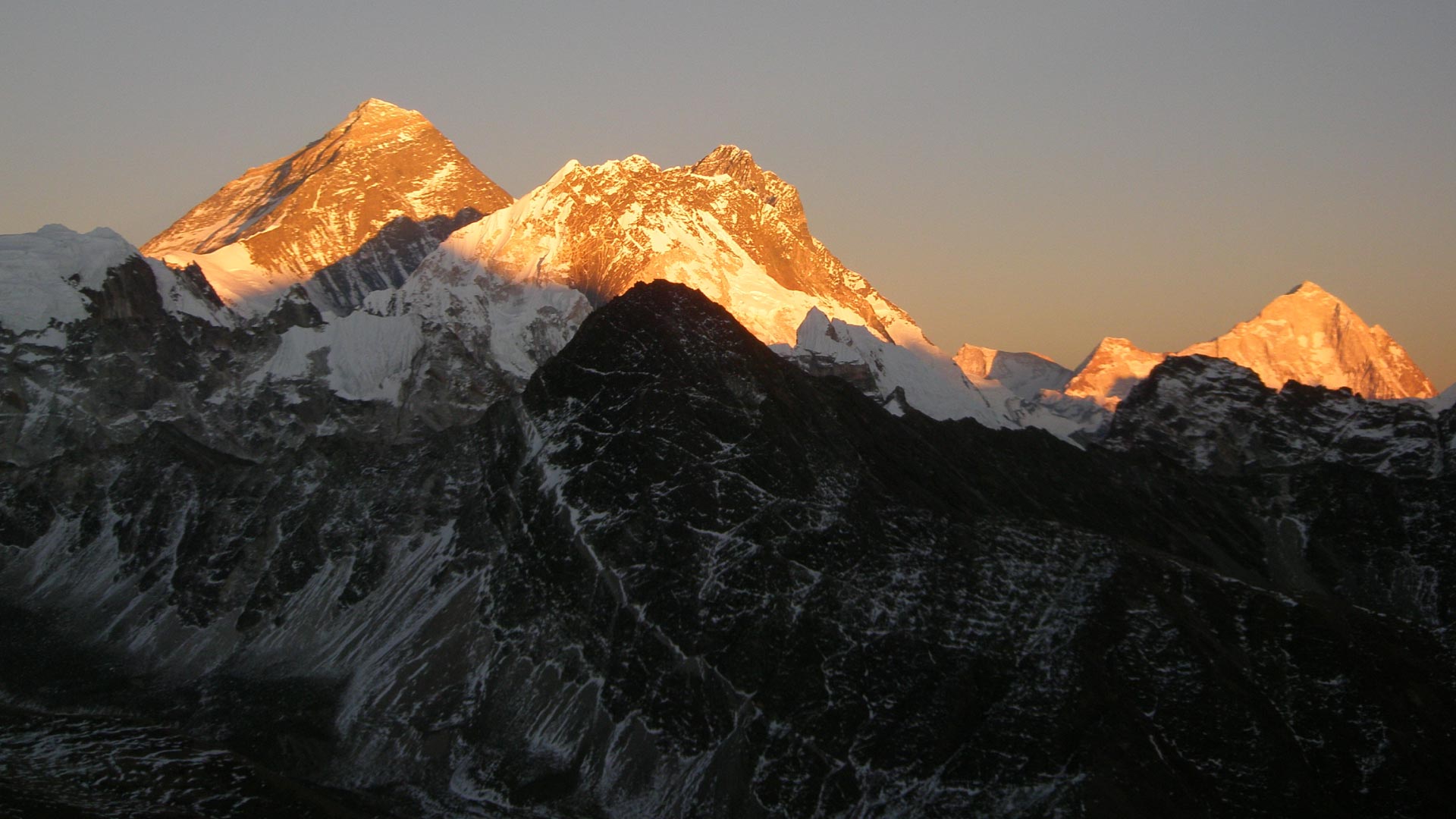
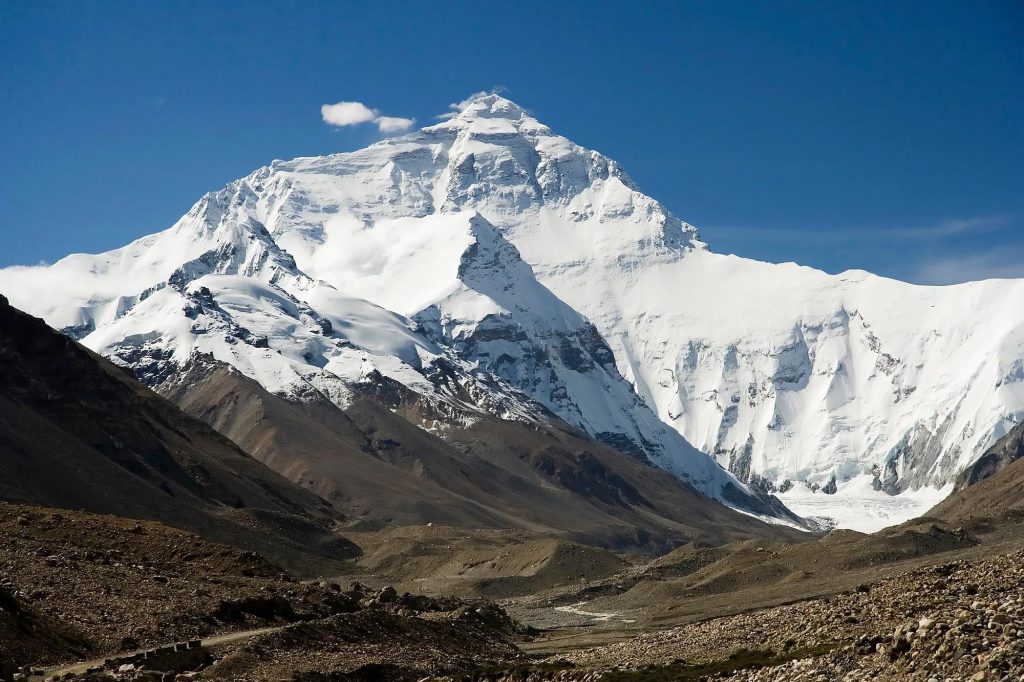
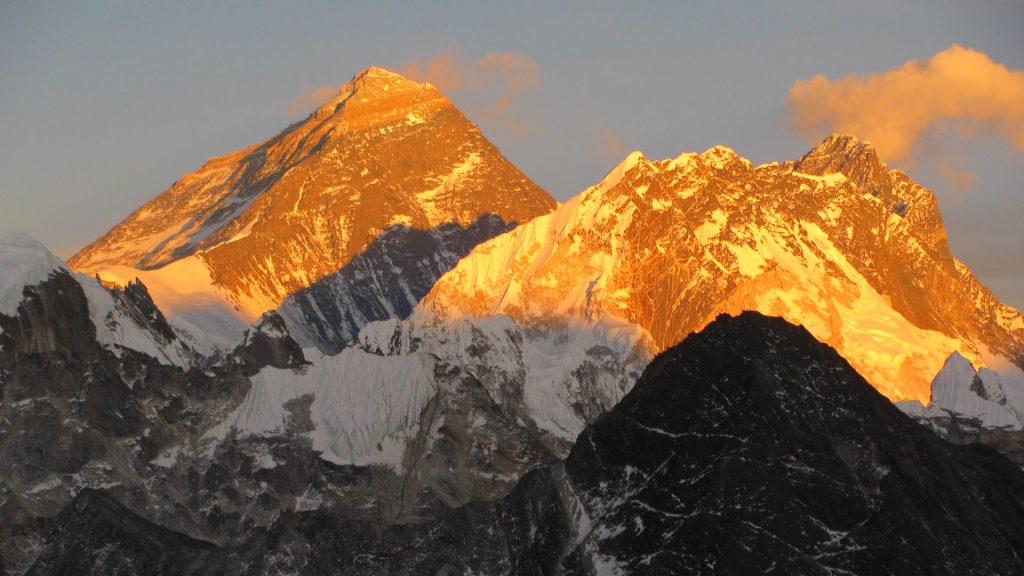
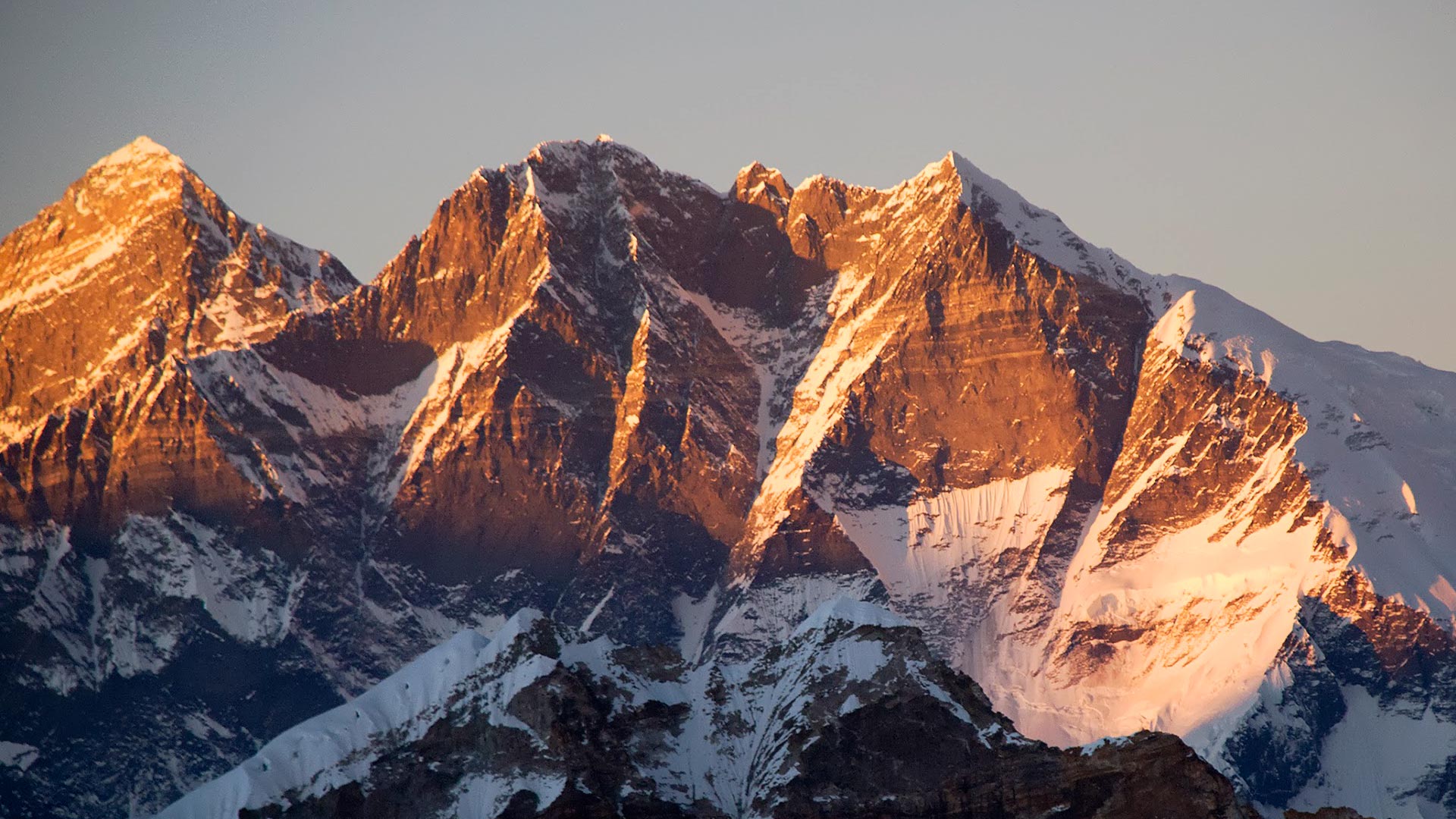
Mount Lhotse (8,516m) is the fourth-highest mountain in the world, located in Nepal’s Mahalangur Himal range, close to Mount Everest. Connected to Everest by the South Col, Lhotse forms part of the spectacular Everest massif and is one of the most prominent mountains in the Khumbu region.

First successfully summited on 18 May 1956 by Swiss climbers Ernst Reiss and Fritz Luchsinger, Lhotse has an important place in Himalayan mountaineering history. Its dramatic mountain faces, high-altitude environment, and close geographical relationship with Everest make it a significant subject of international mountaineering interest.

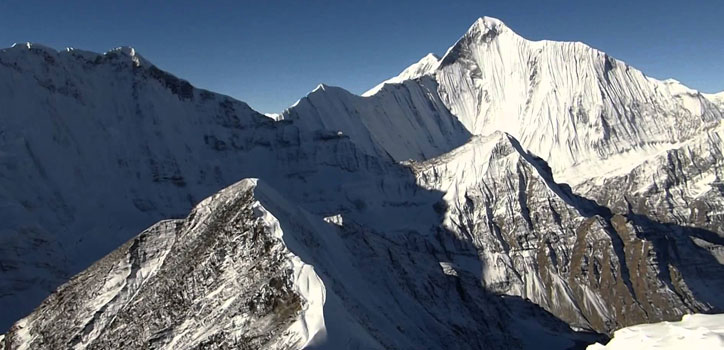
The Lhotse massif includes three principal summits: Lhotse Main (8,516m), Lhotse Middle, and Lhotse Shar. The mountain is known for its demanding high-altitude environment and the considerable experience required for serious mountaineering objectives at this elevation.

Mountain Highlights

  • Explore the geography and history of the world’s fourth-highest mountain.
  • Discover the spectacular Mahalangur Himal range.
  • Learn about the close geographical connection between Lhotse and Mount Everest.
  • Experience the cultural and natural landscapes of the Khumbu region.
  • Discover the historic achievements of early Himalayan mountaineering expeditions.
  • Observe the remarkable Lhotse massif and its surrounding Himalayan peaks.
  • Learn about the importance of responsible expedition management in Nepal.
WhatsApp us
Lhotse Expedition – the World’s Fourth-Highest Mountain

Itinerary

  1. Arrival in Kathmandu

    Airport transfer and hotel check-in.

    1400 m

  2. Expedition preparation in Kathmandu

    Arrival, equipment check, official briefing and expedition preparation.

  3. Fly to Lukla – Phakding

    2,610 m

  4. Phakding to Namche

    3,440 m

  5. Trek to Namche Bazaar (3,440 m)

    Hike and return.

    3,440 m

  6. Namche to Tengboche

    3,860 m

  7. Tengboche to Pheriche

    4,240 m

  8. Pheriche to Lobuche

    4,910 m

  9. Lobuche to Everest/Lhotse Base Camp

    Establish expedition camp.

    5,364 m

  10. Acclimatization & Rotations

    The expedition progressively climbs through the high camps.

    Typical rotations include:

    Base Camp → Camp I → Camp II → Base Camp

    and later:

    Base Camp → Camp I → Camp II → Camp III → Camp II → Base Camp

    The team rests and recovers between rotations.

  11. Summit Window

    When weather and route conditions are suitable, begin the final summit rotation.

    Base Camp → Camp II → Camp III → Camp IV → Summit

    The climb of the Lhotse Face is one of the defining technical sections.

    Summit Day

    Summit: 8,516 m

    The final push takes climbers from Camp IV toward the Lhotse summit.

    After summiting, descend carefully toward lower camps and eventually Base Camp.

    Final Days: Base Camp to Lukla

    Dismantle expedition infrastructure and descend through the Khumbu Valley.

    5,364 m

  12. Flight to Kathmandu

  13. Extra day in Kathmandu (weather contingency)

  14. Final departure

Included / Not included

Included

  • Airport transfers
  • Kathmandu hotel accommodation as specified
  • Kathmandu–Lukla–Kathmandu flights
  • Lhotse climbing permit
  • Required government permits
  • Liaison officer arrangements as applicable
  • Expedition leader
  • High-altitude climbing Sherpa
  • Base Camp facilities
  • Full-board expedition meals
  • Expedition kitchen team
  • Base Camp tents
  • High-altitude tents
  • Dining/kitchen/toilet facilities
  • Group climbing equipment
  • Fixed ropes where applicable
  • Oxygen system as specified in package
  • Oxygen mask/regulator where specified
  • Equipment transportation to Base Camp
  • Porter/yak support
  • Base Camp communication
  • Basic medical/first-aid support
  • Waste-management arrangements
  • Government taxes
  • Expedition logistics

Not Included

  • International airfare
  • Nepal visa
  • Travel and rescue insurance
  • Helicopter evacuation
  • Personal climbing equipment
  • Personal medical expenses
  • Extra oxygen
  • Personal Sherpa upgrade
  • Extra hotel nights
  • Personal drinks
  • Communication charges
  • Tips/summit bonus
  • Personal expenses
  • Extraordinary weather/natural-disaster costs
  • Anything not listed under Cost Includes

More information

Important Information

Elevation: 8,516m.

Location: Mahalangur Himal, Khumbu region, Nepal.

Mountain Classification: Eight-thousander; the fourth-highest mountain in the world.

First Ascent: 18 May 1956, by Ernst Reiss and Fritz Luchsinger of Switzerland.

Mountain Relationship: Lhotse is connected to Mount Everest through the South Col.

Expedition Classification: An extreme-altitude mountaineering objective requiring exceptional experience and professional expedition oversight.

Permits and Regulations: Mountaineering activities in Nepal are subject to government permits, regulations, and applicable expedition requirements. Official requirements should be verified with Nepal’s Department of Tourism.

Environmental Responsibility: Himalayan expeditions should follow responsible environmental practices and applicable waste-management requirements.

Frequently Asked Questions

1. How high is Mount Lhotse?

Mount Lhotse Main stands at 8,516 metres above sea level, making it the fourth-highest mountain in the world.

2. Where is Mount Lhotse located?

It is located in the Mahalangur Himal range of the Nepal Himalayas, near Mount Everest in the Khumbu region.

3. When was Lhotse first climbed?

The first successful ascent took place on 18 May 1956 by Swiss climbers Ernst Reiss and Fritz Luchsinger.

4. Is Lhotse connected to Mount Everest?

Yes. The two mountains are geographically connected by the South Col.

5. What are the main peaks of the Lhotse massif?

The massif includes Lhotse Main, Lhotse Middle, and Lhotse Shar.

6. Is Lhotse considered a difficult mountain?

Yes. It is an extreme-altitude mountaineering objective with demanding environmental and technical conditions. It is not a general trekking destination.

7. What permits are required for a Lhotse expedition?

Mountaineering permits and other applicable approvals are governed by Nepal’s current regulations. Requirements should be confirmed with the relevant authorities.

Enquire about this trip

Ready to experience the Himalayas?

Ask us anything — dates, group size, fitness or a private departure. We usually reply within 24 hours.

  • No booking fee, no obligation
  • Reply from our Sherpa team within 24 hours
  • Private dates and custom itineraries welcome
Your enquiry is aboutLhotse Expedition – the World’s Fourth-Highest Mountain

Ask on WhatsApp
What Our Adventurers Say

Real stories from the peaks of Nepal

Our past travelers share the highs, challenges, and unforgettable moments that made their Himalayan journey truly extraordinary.

★★★★★
Oscar Pinson Manaslu circuit Australia
Fantastic people, great experience, very easy My friend and I were recommended Sherpa climbing by someone who had used them previously. The whole experience from our end was very easy, we reached out to Phanden and let him know what we wanted to do. From…
ExpeditionLhotse Expedition – the World’s Fourth-Highest Mountain

Enquire about this trip

Ask us anything — dates, group size, fitness or a private departure. We usually reply within 24 hours.

Your enquiry is aboutLhotse Expedition – the World’s Fourth-Highest Mountain

Ask on WhatsApp

Trusted by travellers worldwide

Read honest reviews from people who have trekked and climbed with us — and share yours after your trip.

Review us on Trustpilot
Chat with us